


Cervical osteochondrosis is one of the most common diseases of the intervertebral discs.Spinal diseases affect 85% of people worldwide.
The first signs of the disease can appear between the ages of 25 and 40.Osteochondrosis often causes headaches.If the disease is left to chance, it will cause intervertebral protrusion and, consequently, hernia.
In the recent past, cervical osteochondrosis most often occurred in people over 40 years old;today, the age of people who suffer from it has decreased considerably.Signs of the disease can appear in adolescents as young as 12 years old.
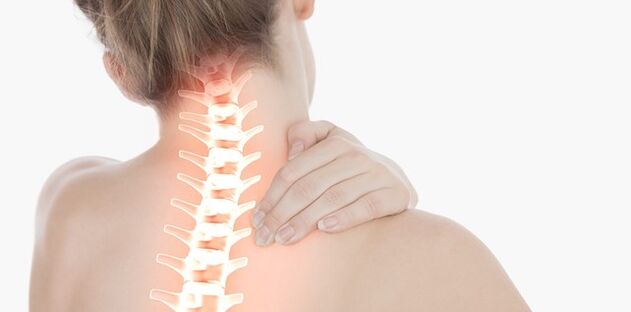
It is because of frequent mobility that the cervical spine becomes more vulnerable to injury and any painful changes.The neck, like the spine, is made up of vertebrae, discs and ligaments.The cervical vertebrae communicate more closely with each other and, therefore, even the smallest loads can cause them to shift and narrow blood vessels and nerves.
Reasons
The main cause of osteochondrosis of the cervical spine can be a sedentary lifestyle, for example, associated with prolonged driving, sewing, working in the office at a computer, etc.Increased stress can also become a catalyst for the disease: sharp turns, flexion and extension, jerky movements in all directions negatively affect the spine.
- Hereditary predisposition;
- Susceptibility to infections, poisoning, metabolic disorders;
- Insufficient or excessive nutrition, excess weight;
- Bruises and fractures;
- Scoliosis, lordosis, kyphosis;
- Frequent hypothermia.
Treatment
As a rule, specialists prescribe conservative methods to treat these degenerative diseases of the spine.Anti-inflammatories are generally used for pain relief, nonsteroidal anti-inflammatories for moderate pain, and injections are used at the start of treatment.The doctor can then prescribe physiotherapeutic treatment methods: magnetophoresis and laser phoresis.They influence the spine with low-frequency currents and magnetic fields, which improves blood circulation and reduces pain symptoms.
In addition, for osteochondrosis of the cervical spine, therapeutic massage and physical exercises, electrical neurostimulation and a specialized diet can be prescribed.For detailed information, please consult a specialist.
Effective and safe treatments are massage and physiotherapy, available at the medical center.A competent physiotherapist will select an individual course of procedures.